Complete Guide to understanding fair trade certification
Explore the Universe of Fair Trade Tea: Superior Brews That Advance Sustainable Practices
Fair Trade tea exemplifies a balanced marriage of merit and values. Each cup offers a singular taste character while nurturing sustainable farming practices. This approach not only betters the tea experience but also lifts underserved farming communities. Recognizing its heritage and certification processes unearths additional significance of importance. As individuals become more thoughtful about their options, the impact of Fair Trade tea goes further than taste. What underlies the veneer of these choices?
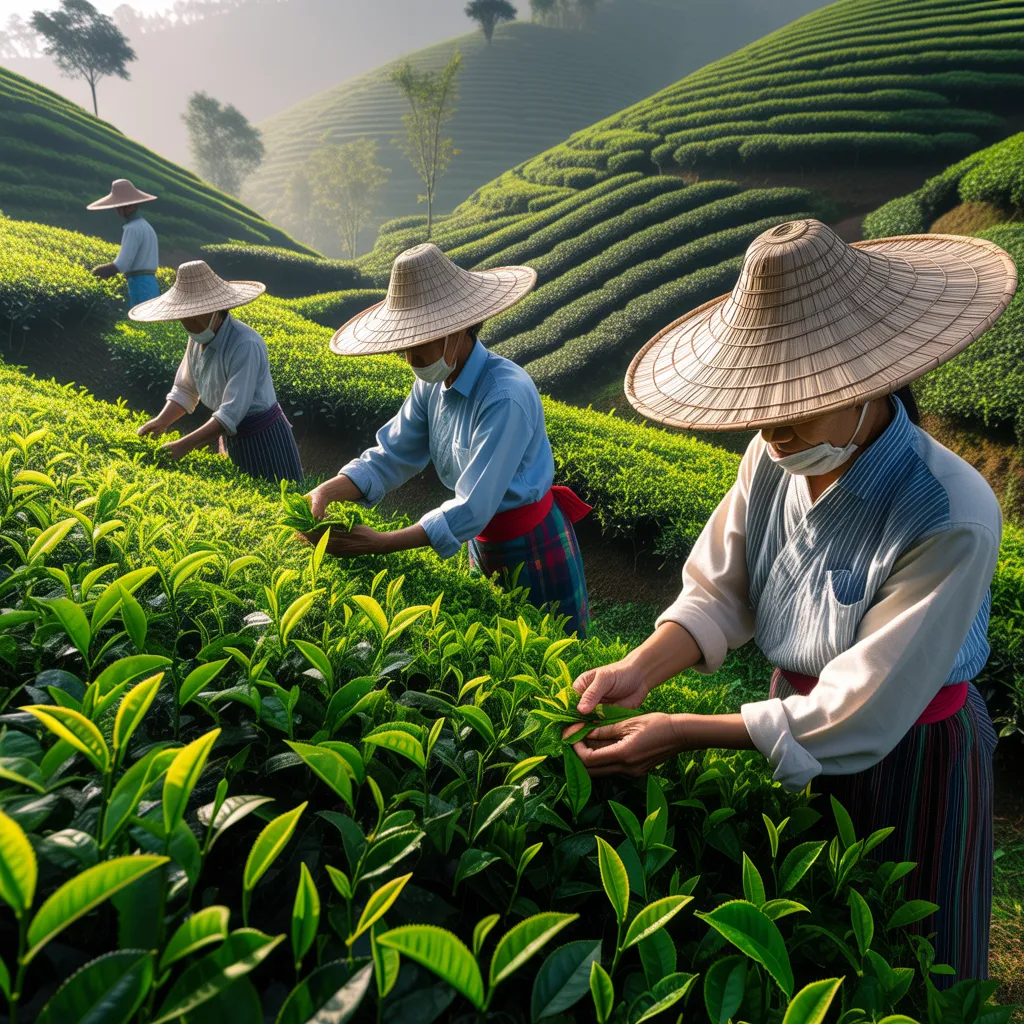
Discover the Origins of Fair Trade Tea
Fair Trade tea derives from the socioeconomic drives focused on advancing the livelihoods of sidelined farmers. Taking shape in the late 20th century, this initiative worked to remedy inequities in international trade, especially in transitional economies where tea is regularly cultivated. The campaign built momentum as purchasers became increasingly aware of the harsh conditions borne by small-scale farmers, including unfair pricing and mistreatment by large corporations.
Through cooperative structures, Fair Trade intended to strengthen these farmers, guaranteeing they received fair payment and support for sustainable farming practices. The movement also concentrated on promoting environmental responsibility, promoting organic farming and biodiversity. As knowledge increased, Fair Trade tea functioned as a representation of ethical consumption, connecting consumers directly with the origins of their beverages. By selecting Fair Trade tea, individuals contribute to a larger goal of social justice and economic equity, fostering a more sustainable future for tea-growing communities.
Grasp the fundamentals of responsible sourcing for environmentally conscious methods
Comprehending Fair Trade certification is essential to recognizing how sustainable practices are upheld within the tea industry. This certification guarantees that producers receive fair wages and work under safe conditions, which directly leads review now to community development. Fair Trade standards encourage environmentally sustainable farming methods, reducing the use of harmful chemicals and encouraging biodiversity.
Certification enhances clarity in the distribution network, permitting customers to trace their tea back to its source. By following these guidelines, farms engage in practices that safeguard environmental assets and sustain local ecosystems. Additionally, Fair Trade groups often provide educational resources and training to agricultural producers, equipping them to enhance their production methods and economic stability.
Ultimately, Fair Trade accreditation not only boosts tea's quality but also corresponds with purchasing choices to ethical and responsible values, making it a key aspect of the tea sector's commitment to social accountability and ecological stewardship.
Discover Best Selection of Fair Trade Tea
While many tea experts treasure the intense notes and scents of various brews, discovering the top varieties of Fair Trade tea reveals a more substantial commitment to moral sourcing and green practices. Some trendy options feature Fair Trade Assam, celebrated for its assertive, grain-like flavor, and Fair Trade Darjeeling, often referred to as the "Champagne of teas" for its gentle aromatic qualities. Another standout variety is Fair Trade Earl Grey, steeped with bergamot, supplying a distinctive lemon quality.
Moreover, Fair Trade Green Tea, celebrated for its invigorating qualities and health benefits, is increasingly favored among health-conscious consumers. Herbal blends, such as Fair Trade Chamomile and Peppermint, also distinguish themselves, supplying soothing and calming effects. Each of these varieties not only delivers exceptional flavor but also supports farmers and communities working for better livelihoods, making them a responsible choice for tea lovers seeking quality and ethical assurance.
Brewing Fair Trade Tea: Pointers for a Exceptional Cup
To make the perfect cup of Fair Trade tea, care is necessary, since the correct techniques can bring out the tea's distinctive notes and aromas. Initially, water quality is paramount; using spring water guarantees a crisp taste that lets the tea's characteristics come through. The water temperature is also important; various tea kinds require precise temperatures; boiling water is used for black tea and green and herbal teas need cooler temperatures.
Subsequently, the steeping time must be carefully followed. Excessive steeping can result in bitterness, while understeeping may not extract the complete flavor spectrum. A standard recommendation is 3-5 minutes for black tea and 2-3 minutes for green tea.
In conclusion, achieving the correct tea-water proportion optimizes the taste profile; one teaspoon of loose tea per cup is a fine reference point. By following these pieces of advice, tea enthusiasts can truly enjoy the diverse range of Fair Trade tea.
Ecological Advantages of Fair Trade Tea
Brewing Fair Trade tea not only improves the tea encounter but also promotes sustainable agricultural practices that benefit the ecosystem. Fair Trade certification encourages farmers to use organic farming methods, which minimize the dependence on harmful pesticides and fertilizers. This method fosters biodiversity, aiding in the protection of local ecosystems and protect animal sanctuaries.
Furthermore, Fair Trade approaches often focus on soil health and water conservation, ensuring that tea cultivation does not drain essential resources. By supporting small-scale farmers, Fair Trade also fosters agroforestry, which merges tea cultivation with other crops and trees, further improving environmental resilience.
Additionally, Fair Trade tea frequently contains environmentally responsible wrapping and delivery systems, decreasing the carbon footprint tied to its delivery. In summary, choosing Fair Trade tea shows a conscious effort to foster a more sustainable farming approach that respects both the Earth and its inhabitants.

The Impact of Your Tea Choice in Strengthening Global Communities
Selecting Fair Trade tea empowers worldwide societies by offering farmers with equitable compensation and improved labor standards. This dedication guarantees that tea producers can maintain their incomes while putting money in their families and local economies. By buying Fair Trade tea, shoppers contribute to the growth of vital local services, such as education and medical services.
Fair Trade accreditation encourages responsible conduct, demanding companies to adhere to guidelines that emphasize workers' rights and ecological responsibility. As a result, growers are incentivized to cultivate high-quality tea, which not just improves their income but also creates satisfaction in their work.
Additionally, the straight trade partnerships established through Fair Trade eradicate predatory middlemen, permitting farmers to engage with consumers worldwide. This clarity fosters trust and encourages a global admiration for the cultural significance of tea. Ultimately, each cup of Fair Trade tea functions as a reminder of the constructive influence individuals can have on international societies through mindful consumption.
Popular Inquiries Asked
What Methods Can Help Me Spot Fair Trade Tea Items When Shopping?
To identify fair trade tea products in stores, one should look for certification labels, such as Fair Trade Certified or Rainforest Alliance. Additionally, investigating companies dedicated to responsible practices can aid in selecting quality products.
Are There Any Wellness Advantages Connected to Fair Trade Tea?
Fair trade tea may offer multiple wellness advantages, featuring antioxidants enhancing heart health, superior digestion, and sharper mental clarity. Besides, ethical sourcing strategies reinforce responsible agriculture, indirectly advancing a stronger ecosystem and enhanced community health.
Where Can I Find Ethically Sourced Tea in Online Marketplaces?
Yes, fair trade tea is easy to find in online marketplaces. Multiple vendors stock a diverse range of brands and blends, making certain consumers can easily access ethically sourced options that advance both eco-friendly practices and fair labor practices.
What Effect Does Fair Trade Tea Have on Regional Economies?
Fair trade tea beneficially affects local economies by ensuring farmers receive equitable pay, promoting community advancement, and encouraging sustainable farming practices. This support uplifts living conditions, fosters economic security, and strengthens communities to invest in education and healthcare.
What's the Ideal Way to Store Fair Trade Tea for Optimal Freshness?
To maximize freshness, fair trade tea should be placed in a airtight container, protected from moisture, light, and pungent smells. Maintaining it in a cool, dark place helps maintain its taste and scent over time.